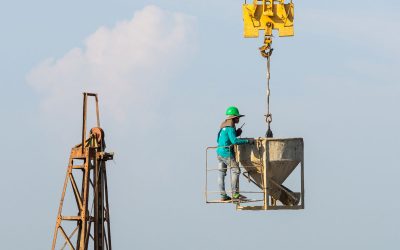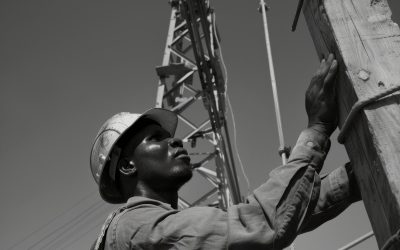
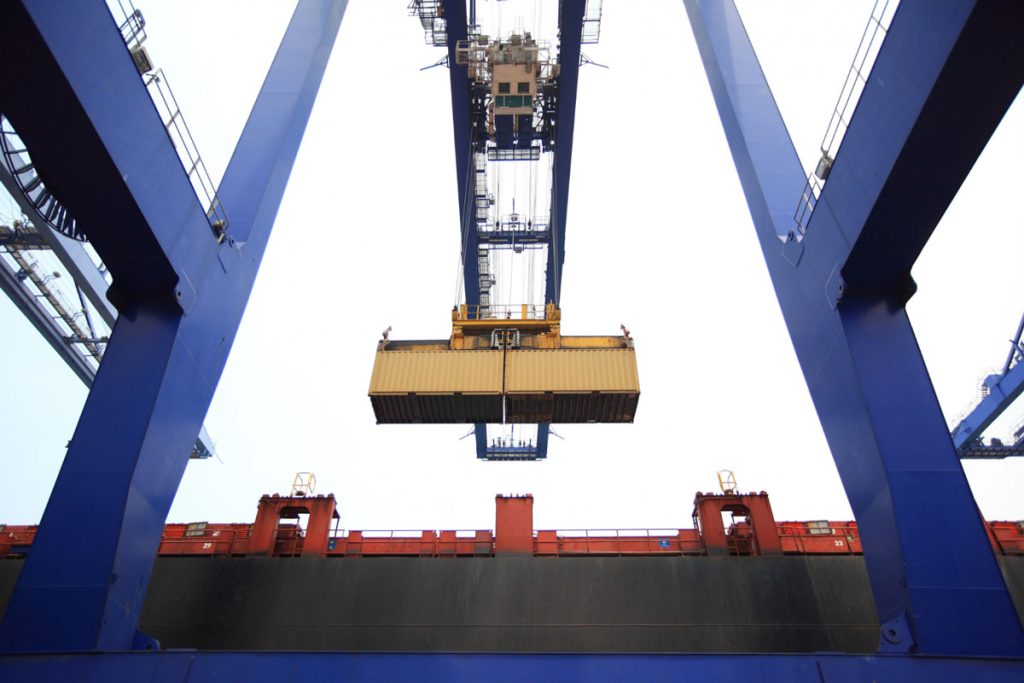
Lifting machinery is indispensable in industries where heavy loads must be moved with precision and efficiency. However, these powerful tools can be hazardous if not handled correctly. Proper knowledge, training, and a focus on safety are vital to ensure smooth operations and avoid accidents. In this guide, we’ll explore the best practices for safely operating lifting machinery and how Zong Engineering Ltd can be your trusted partner in ensuring safe and efficient operations.
Understanding Lifting Machinery
What is Lifting Machinery?
Lifting machinery refers to any equipment used to raise or lower loads. This includes cranes, hoists, forklifts, and other devices designed to move heavy objects. Each machine has its specific use and application depending on the load, environment, and nature of the task.
Common Types of Lifting Machines
- Cranes: Tower cranes, mobile cranes, and overhead cranes used in construction and industrial settings.
- Hoists: Devices that use a chain or rope to lift heavy objects, often seen in warehouses.
- Forklifts: Vehicles designed to carry heavy loads over short distances, frequently used in logistics and warehousing.
The Importance of Safe Handling
Why Safety Matters
Operating lifting machinery without proper safety protocols can lead to severe accidents. The risks include personal injury, damage to the machinery, and even fatalities. Ensuring safe handling protects the workers, the equipment, and the surrounding environment.
Risks of Improper Operation
Improper use of lifting machinery can result in:
- Equipment failure due to overloading or poor maintenance
- Workplace accidents, including injuries or fatalities
- Legal liabilities for the company operating the machinery
Basic Safety Guidelines for Lifting Machinery
Training and Certification
Before operating any lifting machinery, it’s critical that all operators are fully trained and certified. Without proper training, even experienced workers can make dangerous mistakes that could lead to accidents.
Pre-operational Checks
Before any lift, the machinery must be inspected for any signs of wear, damage, or malfunctions. Checking fluid levels, brakes, gears, and electrical systems can prevent mechanical failures during operations.
Proper Operation of Lifting Machinery
Step-by-Step Operation Process
- Pre-Inspection: Ensure all safety checks have been completed.
- Assess Load: Verify the weight and dimensions of the load to ensure it’s within the machinery’s capacity.
- Position Machinery: Align the machine with the load for a balanced lift.
- Secure Load: Attach the load securely to prevent shifting or slipping.
- Lift Slowly: Avoid sudden movements or jerks during the lift to maintain balance.
Common Mistakes to Avoid
- Overloading the machinery beyond its capacity
- Lifting on uneven ground or surfaces
- Ignoring warning signs from the machine’s systems
Handling Loads Safely
Assessing Load Capacity
Always calculate the weight of the load and compare it with the rated capacity of the machine. Overloading can cause the machinery to tip over or break down.
Balancing and Securing the Load
An unbalanced load can shift during lifting, leading to accidents. Ensure that the load is centered and secured using slings, chains, or straps.
Common Problems in Lifting Operations
Overloading
One of the most frequent causes of lifting accidents is exceeding the machine’s load limit. This can cause irreversible damage to the machinery and put lives at risk.
Poor Machine Maintenance
Machines that are not regularly maintained can fail unexpectedly. Worn parts, low fluid levels, or electrical issues can lead to dangerous situations.
Lack of Operator Training
Inadequate training or failure to keep up with new technologies can lead to misuse of machinery. Proper training and certification are essential for all operators.
How to Troubleshoot Lifting Machinery Issues
Mechanical Issues
Common mechanical problems include worn-out gears, faulty brakes, and low hydraulic fluid levels. Regular inspection and timely replacement of worn parts can prevent major failures.
Electrical Faults
Electrical systems control many modern lifting machines. Faulty wiring, poor connections, or malfunctioning sensors can cause the machinery to fail. Regular electrical checks are necessary to ensure safe operation.
Maintaining Lifting Machinery for Safety
Importance of Regular Maintenance
Preventive maintenance is key to prolonging the life of lifting machinery. This includes routine oil changes, part replacements, and system recalibrations.
How Zong Engineering Ltd Can Assist with Maintenance
At Zong Engineering Ltd, we offer comprehensive maintenance services for lifting machinery. Our expert technicians ensure that your machines are operating at peak efficiency while adhering to safety standards. From regular checkups to emergency repairs, we’ve got you covered.
The Role of Technology in Safe Lifting
Modern Tools and Equipment
Advancements in lifting machinery have introduced features such as automatic load balancing, real-time monitoring, and enhanced safety sensors. These technologies make operations safer and more efficient.
Benefits of Automation in Lifting Machinery
Automation reduces human error, increases precision, and enhances safety during lifting operations. Many modern cranes and hoists feature automated systems that can handle repetitive tasks with minimal operator intervention.
Personal Protective Equipment (PPE) in Lifting Operations
Why PPE is Crucial
While machinery does the heavy lifting, operators must wear PPE to protect themselves from any unforeseen accidents. This includes helmets, gloves, steel-toed boots, and safety harnesses.
PPE Best Practices
Ensure that all operators are equipped with the correct PPE for the job and that PPE is regularly inspected for wear and tear.
Training and Certification
The Importance of Certified Training
Certified training ensures that operators understand both the technical and safety aspects of lifting machinery. This includes knowing the machine’s capacity, understanding the load dynamics, and troubleshooting potential issues.
How Zong Engineering Ltd Can Help with Safety Training
At Zong Engineering Ltd, we provide expert training services tailored to your needs. Whether you’re looking to certify new operators or provide refresher courses, we offer comprehensive training programs designed to enhance workplace safety.
Legal Requirements for Operating Lifting Machinery
Local and International Safety Standards
Lifting machinery operators must adhere to local and international safety standards, such as OSHA regulations or ISO standards. Compliance ensures that operations meet safety benchmarks and avoid legal issues.
Compliance and Inspections
Regular inspections are necessary to remain compliant with safety standards. At Zong Engineering Ltd, we assist with compliance checks and prepare your lifting machinery for mandatory inspections.
How Zong Engineering Ltd Supports Safe Lifting Operations
Overview of Services Offered by Zong Engineering Ltd
Zong Engineering Ltd provides a wide range of services, including machine maintenance, operator training, and safety assessments. We work with industries of all sizes to ensure safe and efficient lifting operations.
Tailored Solutions for Different Industries
No matter your industry, Zong Engineering Ltd offers customized solutions to meet your unique lifting requirements. Our expert team works closely with clients to develop safe, efficient, and cost-effective solutions.
Conclusion
Lifting machinery is essential in various industries, but its safe operation is non-negotiable. Through proper training, regular maintenance, and adherence to safety protocols, companies can significantly reduce the risk of accidents. Zong Engineering Ltd stands as a reliable partner in ensuring that your lifting machinery is handled with care, precision, and safety.