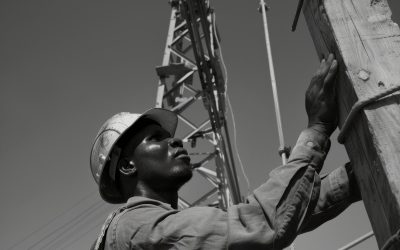

Introduction
Lifting operations are a crucial part of many industrial and construction activities. However, they come with significant risks. Ensuring safe lifting operations is not just about protecting equipment but, more importantly, safeguarding the lives of workers. At Zong Engineering Company Ltd, located in Dar es Salaam, Tanzania, we specialize in a wide range of engineering services, including lifting works. This article provides practical tips on how to ensure safe lifting operations in your workplace.
Understanding Lifting Operations
Types of Lifting Operations
Lifting operations vary widely depending on the industry and the specific tasks involved. They can range from simple manual lifting to complex operations involving cranes and hoists. Understanding the type of lifting operation is the first step in ensuring safety.
Common Lifting Equipment
The equipment used for lifting can include cranes, hoists, forklifts, and slings. Each piece of equipment has its own set of safety requirements and operational guidelines.
Tip 1: Conduct a Risk Assessment
Identifying Potential Hazards
Before any lifting operation, conduct a thorough risk assessment to identify potential hazards. Consider factors such as the weight of the load, the lifting environment, and the condition of the equipment.
Evaluating Risk Levels
Once hazards are identified, evaluate their risk levels. This will help in prioritizing safety measures and allocating resources effectively.
Tip 2: Develop a Lifting Plan
Components of an Effective Lifting Plan
A lifting plan should include detailed information about the load, the lifting equipment, the lifting method, and the personnel involved. It should also outline the steps to be taken in case of an emergency.
Communicating the Plan to Workers
Ensure that all workers involved in the lifting operation are familiar with the lifting plan. Hold meetings to discuss the plan and address any concerns or questions.
Tip 3: Use the Right Equipment
Selecting Appropriate Lifting Equipment
Choose the right equipment for the job. Consider the load’s weight, size, and shape, as well as the lifting height and distance.
Inspecting Equipment Before Use
Before using any lifting equipment, conduct a thorough inspection to ensure it is in good working condition. Look for signs of wear and tear, and address any issues immediately.
Tip 4: Train Your Workers
Importance of Lifting Training
Training is crucial for ensuring safe lifting operations. Workers should be trained on the proper use of lifting equipment, safe lifting techniques, and emergency procedures.
Key Training Topics
Training should cover topics such as risk assessment, equipment inspection, lifting techniques, and emergency response. Regular refresher courses are also important to keep skills up-to-date.
Tip 5: Implement Safe Lifting Practices
Techniques for Safe Lifting
Implementing safe lifting techniques can significantly reduce the risk of injuries. This includes using proper body mechanics, lifting with the legs instead of the back, and keeping the load close to the body.
Avoiding Common Lifting Mistakes
Common mistakes include lifting loads that are too heavy, using improper equipment, and failing to communicate with team members. Educate workers on how to avoid these mistakes.
Tip 6: Maintain Clear Communication
Importance of Communication During Lifting Operations
Clear communication is essential for coordinating lifting operations and ensuring everyone’s safety. Use hand signals, radios, or other communication tools to stay in contact.
Tools for Effective Communication
Equip workers with reliable communication tools such as two-way radios. Ensure that everyone understands and uses standard communication protocols.
Tip 7: Monitor and Supervise Lifting Operations
Role of Supervisors in Lifting Safety
Supervisors play a crucial role in ensuring lifting safety. They should oversee operations, enforce safety protocols, and address any issues that arise.
Real-Time Monitoring Techniques
Use real-time monitoring tools such as cameras and sensors to keep track of lifting operations. This can help in identifying potential issues before they become serious problems.
Tip 8: Regular Equipment Maintenance
Maintenance Schedules for Lifting Equipment
Establish a regular maintenance schedule for all lifting equipment. This should include routine inspections, servicing, and repairs.
Signs of Equipment Wear and Tear
Look out for signs of wear and tear such as frayed cables, worn-out hooks, and unusual noises. Address these issues promptly to prevent accidents.
Tip 9: Emergency Preparedness
Developing an Emergency Response Plan
Have a clear emergency response plan in place. This should include procedures for dealing with equipment failures, accidents, and other emergencies.
Training Workers for Emergencies
Train workers on how to respond to emergencies. Conduct regular drills to ensure everyone knows what to do in case of an emergency.
Tip 10: Stay Updated with Safety Regulations
Importance of Compliance with Safety Standards
Compliance with safety regulations is essential for preventing accidents and avoiding legal issues. Stay informed about the latest regulations and ensure your operations meet these standards.
Keeping Up with Regulatory Changes
Regulations can change frequently. Stay updated by subscribing to industry newsletters, attending training sessions, and consulting with safety experts.
Case Studies and Real-Life Examples
Examples of Successful Lifting Operations
Learn from successful lifting operations by studying case studies. These can provide valuable insights into effective safety practices and procedures.
Lessons Learned from Lifting Accidents
Analyze past accidents to understand what went wrong and how similar incidents can be prevented in the future. This can help in improving your lifting safety protocols.
Conclusion
Ensuring safe lifting operations is critical for protecting workers and maintaining operational efficiency. By following these tips, you can create a safer work environment and reduce the risk of lifting-related accidents. At Zong Engineering Company Ltd, we are committed to helping you achieve the highest standards of safety in all your lifting operations.
FAQs
- What are the most common lifting hazards in the workplace?
- Common hazards include overloading, equipment failure, and poor communication during lifting operations.
- How often should lifting equipment be inspected?
- Lifting equipment should be inspected before each use and undergo regular maintenance checks according to the manufacturer’s recommendations.
- What should be included in a lifting plan?
- A lifting plan should include details about the load, equipment, lifting method, personnel involved, and emergency procedures.
- Why is communication important during lifting operations?
- Clear communication helps coordinate activities, ensures everyone is aware of their roles, and prevents accidents.
- How can I ensure compliance with lifting safety regulations?
- Stay informed about current regulations, conduct regular safety audits, provide proper training, and implement recommended safety practices