
Introduction
Mechanical maintenance is the lifeblood of any industrial operation. It ensures that machinery and equipment run smoothly, efficiently, and safely. At Zong Engineering Company Ltd, located in Dar es Salaam, Tanzania, we understand the critical role that regular mechanical maintenance plays in the success of your operations. This article will explore the importance of regular mechanical maintenance, its benefits, and how to implement an effective maintenance program.
Understanding Mechanical Maintenance
What is Mechanical Maintenance?
Mechanical maintenance involves routine inspections, servicing, and repairs of machinery and equipment to ensure they are in optimal working condition. It encompasses a wide range of activities, from lubrication and cleaning to part replacements and system upgrades.
Why is Mechanical Maintenance Important?
Mechanical maintenance is essential for preventing equipment failures, minimizing downtime, and ensuring the safety of workers. Regular maintenance can extend the lifespan of machinery, improve efficiency, and reduce the risk of costly breakdowns.
Benefits of Regular Mechanical Maintenance
Increased Equipment Lifespan
Regular maintenance helps identify and address minor issues before they become major problems. This proactive approach can significantly extend the lifespan of your machinery and equipment, saving you money in the long run.
Enhanced Efficiency and Performance
Well-maintained equipment operates more efficiently, leading to improved performance and productivity. Regular maintenance ensures that all components are functioning correctly, reducing energy consumption and operational costs.
Reduced Downtime and Disruptions
Unplanned equipment failures can lead to costly downtime and disruptions in your operations. Regular maintenance helps prevent unexpected breakdowns, ensuring that your machinery is always ready for use.
Improved Safety
Safety is paramount in any industrial setting. Regular mechanical maintenance helps identify potential hazards, such as worn-out parts or faulty systems, reducing the risk of accidents and injuries.
Cost Savings
Investing in regular maintenance can lead to significant cost savings over time. By preventing major breakdowns and extending the lifespan of your equipment, you can avoid expensive repairs and replacements.
Implementing an Effective Maintenance Program
Developing a Maintenance Schedule
A well-structured maintenance schedule is crucial for ensuring regular upkeep of your machinery. Determine the frequency of maintenance tasks based on the manufacturer’s recommendations, the age of the equipment, and its usage.
Training and Education
Proper training and education are essential for effective maintenance. Ensure that your maintenance team is well-trained in the latest techniques and safety protocols. Regularly update their skills through workshops and training sessions.
Using the Right Tools and Equipment
Having the right tools and equipment is essential for efficient maintenance. Ensure that your maintenance team has access to high-quality tools and that they are regularly calibrated and maintained.
Documentation and Record-Keeping
Keep detailed records of all maintenance activities, including inspections, repairs, and part replacements. This documentation can help identify recurring issues and inform future maintenance strategies.
Conducting Regular Inspections
Regular inspections are a critical component of any maintenance program. Conduct thorough inspections to identify potential issues and address them promptly. Use checklists to ensure that no aspect of the machinery is overlooked.
Lubrication and Cleaning
Proper lubrication and cleaning are fundamental maintenance tasks. Ensure that all moving parts are adequately lubricated to reduce friction and wear. Regularly clean equipment to prevent the buildup of dirt and debris, which can cause malfunctions.
Part Replacements and Upgrades
Over time, parts can wear out and need replacement. Regularly check for worn-out components and replace them as needed. Consider upgrading parts to newer, more efficient models to enhance performance.
Monitoring and Analysis
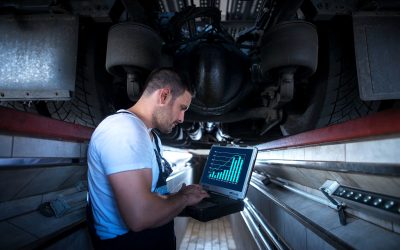
Use monitoring tools to track the performance of your equipment. Analyze data from these tools to identify patterns and potential issues. This proactive approach can help prevent breakdowns and improve overall efficiency.
Emergency Response Plan
Despite the best maintenance efforts, emergencies can still occur. Develop an emergency response plan to address unexpected breakdowns quickly. Ensure that your maintenance team knows how to respond to emergencies and has access to necessary resources.
Conclusion
Regular mechanical maintenance is essential for the smooth and efficient operation of industrial machinery. By investing in a comprehensive maintenance program, you can increase the lifespan of your equipment, enhance performance, reduce downtime, improve safety, and achieve significant cost savings. At Zong Engineering Company Ltd, we are committed to providing top-notch maintenance services to help you maintain a safe and productive workplace.
FAQs
- What is the primary goal of mechanical maintenance?
- The primary goal is to ensure machinery operates smoothly, efficiently, and safely by preventing equipment failures and extending its lifespan.
- How often should mechanical maintenance be performed?
- The frequency of maintenance depends on the equipment’s age, usage, and manufacturer’s recommendations, but regular inspections and servicing are crucial.
- What are the common tasks involved in mechanical maintenance?
- Common tasks include lubrication, cleaning, part replacements, inspections, and system upgrades.
- How does regular maintenance improve safety in the workplace?
- It helps identify potential hazards and address them before they cause accidents, ensuring a safer work environment.
- Why is documentation important in a maintenance program?
- Documentation helps track maintenance activities, identify recurring issues, and inform future maintenance strategies, ensuring a systematic approach to equipment upkeep.