Introduction
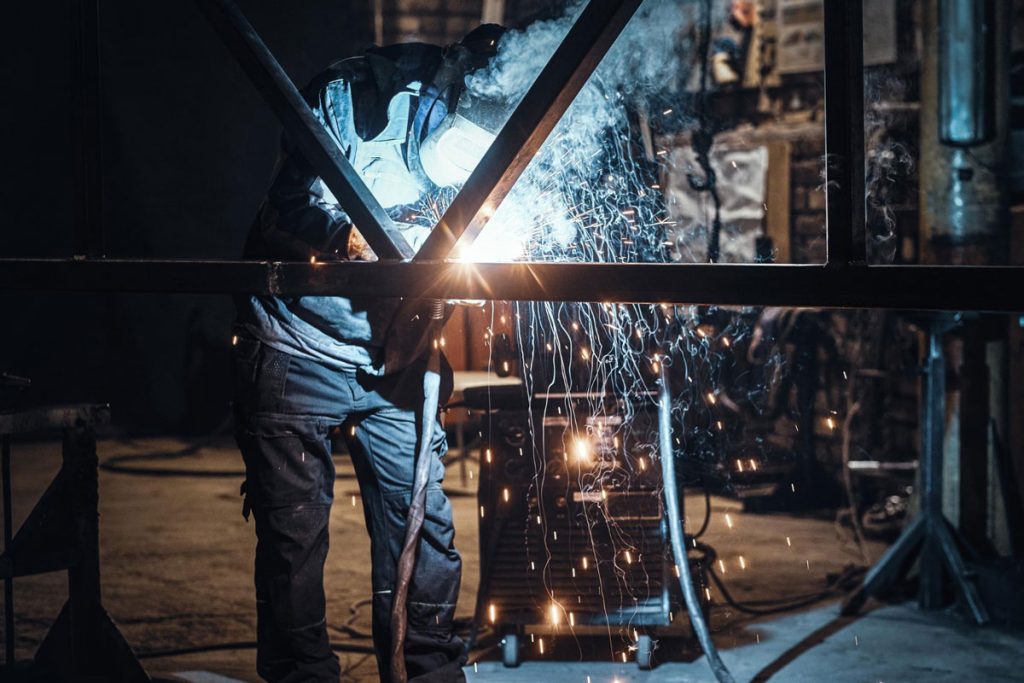
Welding is an essential process in many industries, from construction and manufacturing to shipbuilding and automotive repair. It involves the joining of metals through high heat, which is often accompanied by intense light and dangerous fumes. While welding is vital to the success of many projects, it also presents several hazards that, if not properly managed, can lead to serious injuries or accidents. This article will explore the best practices for maintaining a hazard-free welding workplace and how Zong Engineering Ltd can assist in ensuring safety standards are upheld.
Understanding the Dangers of Welding
Welding might look like a simple job, but it’s anything but that. The process involves exposure to intense heat, harmful UV radiation, and toxic fumes. Welders face risks of burns, electric shock, eye injuries, and respiratory problems. In severe cases, improper safety measures can lead to fires, explosions, or even fatalities.
Accidents, such as sparks igniting flammable materials or electrical failures causing injuries, are all too common in workplaces without proper safety protocols. These hazards make it essential for companies to prioritize welding safety to protect their workers and their operations.
Why Welding Safety Matters
Safety in welding isn’t just about following the rules—it’s about protecting the people who work hard to build, repair, and maintain critical structures. Welders are at risk for long-term health problems, including lung diseases from inhaling fumes, eye damage from exposure to arc flashes, and skin burns from molten metal.
For companies, ensuring welding safety is also crucial for avoiding costly legal battles, worker compensation claims, and reputational damage. Welding-related accidents can be expensive and devastating, both for the workers involved and the companies responsible.
Personal Protective Equipment (PPE) for Welders
One of the most critical aspects of welding safety is the use of Personal Protective Equipment (PPE). This gear is designed to protect welders from the numerous hazards they face on the job. Without it, the likelihood of injury or accident increases dramatically.
PPE for welders includes:
- Helmets with face shields
- Safety goggles
- Heat-resistant gloves
- Flame-resistant clothing
- Respirators
Eye and Face Protection
Welders face severe risks of eye injuries from ultraviolet (UV) and infrared light emitted during the welding process. These arc flashes can cause a painful condition known as “welder’s flash” or “arc eye,” which, if repeated, may lead to long-term vision problems.
To prevent this, welders should always wear safety goggles and a welding helmet with the appropriate lens shade. Full-face shields are also recommended to protect against flying debris and molten metal. Choosing the right helmet with an auto-darkening lens can provide optimal protection and convenience.
Respiratory Protection
Welding fumes can contain harmful metals and chemicals, including lead, aluminum, and hexavalent chromium. Inhaling these fumes over time can lead to severe respiratory issues, including asthma and cancer.
Respirators and proper ventilation are essential in preventing welders from inhaling toxic fumes. Depending on the type of welding and the materials used, different respirators may be required, such as air-purifying respirators or supplied-air respirators. It’s critical to evaluate the work environment and select the right type of protection.
Fire Prevention Measures
Welding often involves working with high temperatures and open flames, increasing the risk of fires. Sparks can fly and ignite nearby flammable materials, making fire safety a top priority.
To minimize this risk:
- Keep flammable materials at a safe distance
- Always have a fire extinguisher nearby
- Use fire-resistant blankets or curtains to protect surrounding areas
- Weld in a designated area free of fire hazards
Electrical Safety in Welding
Welding involves using electrical equipment, which comes with the risk of electric shock. If welders come into contact with live electrical circuits, the results can be deadly.
To avoid electric shock:
- Ensure all equipment is properly grounded
- Use insulated gloves and mats
- Regularly inspect welding cables and connections for damage
- Avoid working in wet conditions, which increase the risk of shock
Ventilation in the Welding Environment
Proper ventilation is key to keeping welding fumes from building up in enclosed spaces. Toxic fumes can accumulate quickly, leading to serious respiratory issues or, in worst cases, poisoning.
Workplaces should ensure that there is adequate airflow in areas where welding takes place. This can be achieved through ventilation systems, exhaust hoods, or simply welding in open or well-ventilated spaces. For more hazardous environments, local exhaust systems should be employed to remove fumes directly from the point of origin.
Safe Handling of Welding Equipment
Welding equipment can malfunction if not handled correctly, leading to serious accidents. It’s essential for welders to be trained in the safe operation of their tools. This includes understanding how to operate welding machines, using them within their capacity, and regularly inspecting equipment for wear and tear.
Routine maintenance checks are also vital to prevent malfunction. For example, checking cables for fraying or ensuring gas cylinders are securely fastened can prevent serious issues down the road.
Workplace Organization and Housekeeping
Keeping the workspace clean and organized is crucial for welding safety. Tripping over loose wires or slipping on spills can lead to accidents, especially in environments where welders are already dealing with hazardous materials.
Good housekeeping includes:
- Keeping walkways clear
- Storing equipment and materials in their designated places
- Cleaning up spills immediately
- Organizing tools to avoid clutter
Training and Education for Welders
Even with the best equipment and tools, safety training is vital for preventing accidents. Welders should receive regular safety education, keeping them updated on the latest practices, tools, and standards in welding safety.
Employers should provide training on the proper use of PPE, the dangers of welding fumes, how to handle equipment, and emergency procedures. Continuous education is key to maintaining a safe work environment.
Emergency Preparedness
No matter how many safety measures are in place, accidents can still happen. That’s why it’s essential to have an emergency response plan. Welders and other workers should know what to do in case of a fire, electric shock, or toxic fume exposure.
Workplaces should:
- Install first aid stations
- Train employees in basic first aid
- Create a clear evacuation plan
- Have fire extinguishers and emergency alarms accessible
Zong Engineering Ltd’s Role in Welding Safety
At Zong Engineering Ltd, we take workplace safety seriously. We understand the risks that welders face and offer a range of services to help Tanzanian industries create safe, hazard-free environments for their employees.
Our services include:
- Safety training for welders to ensure they are up to date on the latest safety practices
- Fire safety programs to help prevent and manage fire risks
- PPE supply to provide welders with the necessary protective gear
- Environmental assessments to ensure proper ventilation and hazard management
- Regular equipment testing and calibration to maintain welding tool safety and efficiency
By partnering with Zong Engineering Ltd, companies can ensure that their welding operations are safe, efficient, and compliant with Tanzanian safety regulations.
Conclusion
Welding safety is not something that should be taken lightly. The potential hazards of welding are numerous, but with the right safety practices in place, they can be managed effectively. From using proper PPE and ensuring good ventilation to conducting regular equipment checks and providing training, there are many ways to create a hazard-free workplace for welders.
Zong Engineering Ltd is here to help you implement these safety practices and ensure your company provides a safe and productive environment for your welders. Together, we can protect your employees and your business.
FAQs
- What is the most important safety measure in welding? Personal protective equipment (PPE) is crucial, especially helmets, gloves, and respirators.
- How can welders protect themselves from toxic fumes? Proper ventilation and the use of respirators can help welders avoid inhaling harmful fumes.
- Why is welding safety training necessary? It helps workers stay up-to-date with best practices, equipment handling, and emergency response.
- How does Zong Engineering Ltd support welding safety? Zong Engineering provides training, safety assessments, PPE supply, and equipment calibration.
- What should be done if a fire breaks out during welding? Welders should be trained in fire safety, and the workplace should have fire extinguishers and an emergency plan in place.