
Introduction to Hydraulic Systems
Hydraulic systems are vital in various industries, including construction, manufacturing, and transportation. These systems use fluid power to accomplish tasks ranging from heavy lifting to precise movements in machinery. Whether you’re operating an excavator or a manufacturing line, the reliability of your hydraulic system is crucial. But how do you ensure that your hydraulic system stays efficient and reliable over time? The answer lies in preventative maintenance.
What Are Hydraulic Systems?
Hydraulic systems operate by transmitting power through pressurized fluid, usually oil. They convert mechanical energy into hydraulic energy, which powers machinery to perform tasks. The key components include pumps, valves, cylinders, and hoses that work in harmony to get the job done.
Importance of Hydraulic Systems in Various Industries
Hydraulic systems are widely used in industries like construction, aviation, and manufacturing due to their efficiency and capability to handle heavy workloads. They allow for precise control of speed, force, and motion, making them an integral part of many operations.
Why Preventative Maintenance Matters
Preventative maintenance is not just an afterthought—it’s a necessity. Regular checkups and maintenance of your hydraulic systems help avoid unexpected breakdowns, costly repairs, and potential safety hazards. A well-maintained system runs smoothly, saves time, and increases the lifespan of your equipment.
Common Components of Hydraulic Systems
To understand preventative maintenance, it’s important to know the key components of a hydraulic system:
- Hydraulic Pump: Powers the system by converting mechanical energy into hydraulic energy.
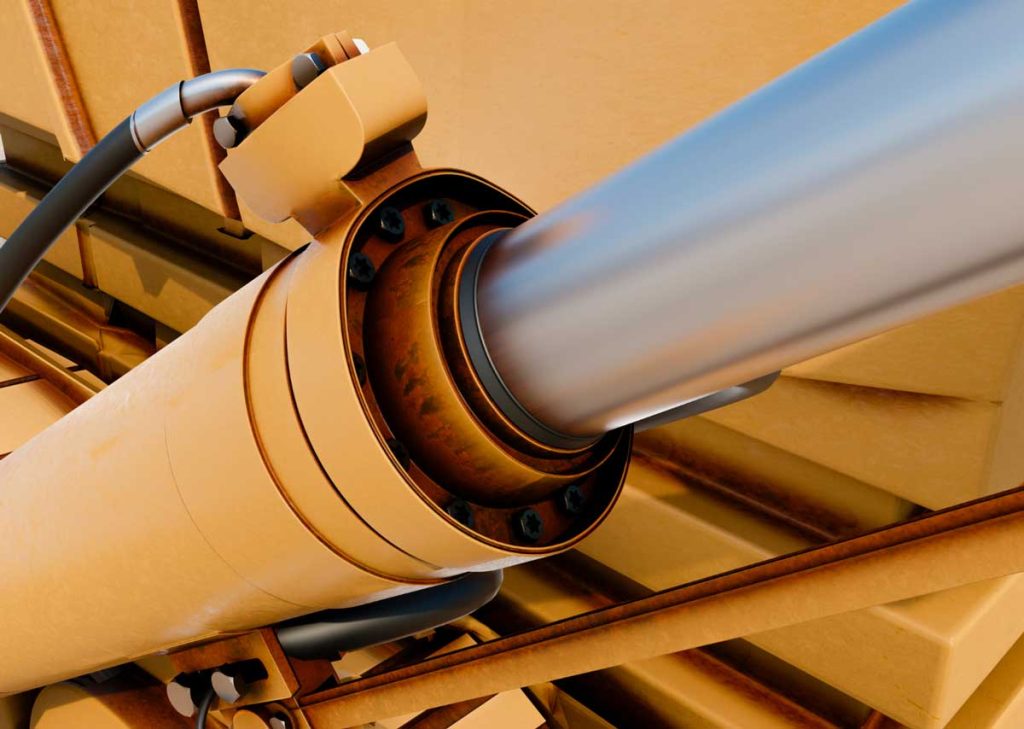
- Hydraulic Cylinder: Provides force through pressurized fluid.
- Hydraulic Valves: Control the flow and pressure of the hydraulic fluid.
- Hoses and Fittings: Transport the fluid between components.
The Importance of Preventative Maintenance
Why is preventative maintenance so important? Let’s break it down:
- Minimizing Downtime and Repair Costs: Unexpected failures can halt your entire operation. Preventative maintenance helps catch small issues before they become large problems, minimizing costly downtimes.
- Improving System Efficiency and Longevity: Regular maintenance ensures that your system is working at its optimal efficiency, reducing energy consumption and wear on parts.
- Ensuring Safety in Operations: Malfunctioning hydraulic systems can pose safety risks. Regular inspections ensure the system remains safe for operators and the surrounding environment.
Key Preventative Maintenance Strategies
So, what exactly does preventative maintenance for hydraulic systems involve? Let’s look at some key strategies:
- Regular Inspection of Hydraulic Components Inspect pumps, hoses, valves, and cylinders for signs of wear and tear. Addressing minor issues during inspections can prevent more significant problems down the road.
- Proper Fluid Maintenance Keeping your hydraulic fluid clean and at the right level is crucial for system efficiency. Contaminated or low fluid levels can lead to damage or failure of the system.
- Monitoring and Replacing Filters Hydraulic filters prevent contaminants from entering the system. Replacing filters regularly can significantly extend the life of your system.
- Leak Detection and Control Hydraulic systems operate under high pressure, and leaks can reduce efficiency while also posing a safety hazard. Regularly check for leaks and address them promptly.
- Checking for Signs of Wear and Tear Routine inspections for any signs of component wear—such as cracks, warping, or surface damage—can help ensure parts are replaced before they fail.
Detailed Guide to Fluid Maintenance
Hydraulic fluid is the lifeblood of the system. Ensuring it’s clean and well-maintained is crucial for optimal performance.
- Importance of Using the Right Fluid: Using the manufacturer-recommended fluid ensures proper viscosity and compatibility with your system’s components.
- Regular Fluid Analysis and Top-Offs: Regularly check and top off fluid levels. Also, perform fluid analysis to detect any contaminants that could affect performance.
- Identifying Fluid Contamination and its Effects: Contaminants like dirt, water, and metal particles can cause significant wear on hydraulic components. Immediate fluid replacement is necessary if contamination is found.
Filter Maintenance: An Essential Step
Filters play a critical role in ensuring hydraulic fluid stays clean:
- Role of Filters in Hydraulic Systems: Filters trap contaminants that could otherwise damage internal components.
- How to Inspect and Replace Filters: Regularly inspect filters for clogging. If filters are dirty, replace them according to the manufacturer’s guidelines.
- Common Signs of Filter Failure: Increased pressure or overheating can indicate a failing filter.
Hydraulic Hose Maintenance Tips
Hydraulic hoses are often the most vulnerable part of the system. Proper maintenance is crucial.
- Inspecting Hoses for Damage: Regularly check hoses for cracks, wear, and leakage. A small defect can quickly become a major issue.
- How to Prevent Hose Leaks: Avoid twisting hoses and ensure proper routing to reduce wear.
- Proper Hose Fitting and Replacement Practices: Make sure fittings are properly installed and periodically check them for signs of loosening.
The Role of Temperature in Hydraulic System Maintenance
Hydraulic systems generate heat, and temperature control is essential.
- Monitoring Hydraulic System Temperature: Overheating can cause system failure. Ensure that cooling systems are functioning correctly.
- Effects of Overheating on Hydraulic Components: Excess heat can degrade hydraulic fluid and cause metal parts to expand, leading to leaks and inefficient operation.
- Cooling Systems and Their Importance: Proper cooling systems maintain optimal operating temperatures and reduce the risk of overheating.
Understanding Wear and Tear
Wear and tear are inevitable in hydraulic systems, but recognizing it early can prevent bigger problems.
- Common Wear Issues in Hydraulic Components: Look for metal shavings in fluid, changes in system pressure, and excessive noise.
- How to Recognize Wear Patterns Early: Regular checks will help you spot early signs of wear, such as scoring on pistons or valves.
- Strategies to Minimize Wear Over Time: Use proper lubrication, follow recommended operational guidelines, and replace worn parts promptly.
Hydraulic System Troubleshooting
Even with regular maintenance, issues can still arise. Knowing how to troubleshoot problems can save time and money.
- Signs Your Hydraulic System Needs Immediate Attention: Unusual noises, erratic movement, or a drop in system pressure could indicate a major problem.
- Common Hydraulic System Failures and Fixes: Identify the cause—whether it’s low fluid, a clogged filter, or a mechanical failure—and address it accordingly.
- When to Call for Professional Help: Some issues require professional attention. Don’t hesitate to reach out to experts when needed.
How to Keep Records of Maintenance
Detailed records are invaluable for preventative maintenance.
- Importance of Detailed Maintenance Logs: Keeping track of all maintenance activities helps predict future issues and ensures nothing is overlooked.
- What to Include in Maintenance Documentation: Record component inspections, fluid changes, filter replacements, and any repairs performed.
- Using Maintenance Logs to Predict Future Issues: Use past maintenance data to spot patterns and anticipate when parts will need to be replaced.
Tools and Equipment for Hydraulic Maintenance
Having the right tools is essential for effective maintenance.
- Essential Tools for Routine Maintenance: Wrenches, pressure gauges, and leak detection kits are must-haves.
- Advanced Diagnostic Equipment: For deeper analysis, use advanced equipment like thermal cameras and fluid analysis kits.
- Importance of Having the Right Tools on Hand: Having the correct tools for each job reduces downtime and ensures accurate repairs.
Zong Engineering Ltd: Your Partner in Hydraulic Maintenance
At Zong Engineering Ltd, we understand how critical hydraulic systems are to your operations. We offer comprehensive maintenance services to keep your equipment running efficiently.
- How Zong Engineering Assists with Hydraulic Maintenance: Our team of experts specializes in preventative maintenance, ensuring your hydraulic systems are always in top shape.
- Specialized Services for Preventative Maintenance: From fluid analysis to leak detection, Zong Engineering offers tailored solutions for every aspect of hydraulic maintenance.
- Professional Expertise in Hydraulics and More: Beyond hydraulics, we provide maintenance and repair services across mechanical, electrical, and lifting systems.
Benefits of Partnering with Zong Engineering
Choosing Zong Engineering comes with numerous advantages:
- Expert Maintenance for Long-Term Reliability: Our team ensures your hydraulic systems stay reliable for the long haul.
- Minimizing Downtime and Improving System Efficiency: Our preventative maintenance services help reduce costly downtimes and maximize efficiency.
- Customized Solutions for Your Business: We offer personalized solutions to meet the unique needs of your business and equipment.
Conclusion
Hydraulic systems are the backbone of many industries, but they require proper care to remain reliable and efficient. Preventative maintenance is your key to avoiding costly repairs and downtime, ensuring safety, and extending the life of your equipment. By following the strategies outlined here, you can keep your system in peak condition.
If you’re looking for expert assistance, Zong Engineering Ltd is your trusted partner for hydraulic maintenance and much more. We offer tailored solutions, expert knowledge, and a commitment to keeping your equipment running smoothly.
FAQs
1. How Often Should I Service My Hydraulic System?
It’s generally recommended to service your hydraulic system every 6-12 months, depending on usage. However, regular inspections should be conducted more frequently.
2. What Are the Signs My Hydraulic System Needs Immediate Attention?
Look for unusual noises, drops in pressure, erratic movements, and overheating. These could all indicate serious issues requiring immediate attention.
3. Can I Perform Hydraulic Maintenance Myself?
Basic maintenance like fluid checks and hose inspections can be done by operators. However, more complex tasks should be handled by professionals to avoid damage.
4. How Do I Know if My Hydraulic Fluid is Contaminated?
If your hydraulic system is running inefficiently or overheating, the fluid may be contaminated. A fluid analysis can confirm this.
5. Why Should I Hire Zong Engineering for Hydraulic System Maintenance?
Zong Engineering offers specialized expertise, personalized maintenance plans, and ensures the highest standards of service to keep your hydraulic systems in optimal condition.