Introduction
Ensuring the safety of your team is a top priority in any workplace. Personal Protective Equipment (PPE) plays a crucial role in safeguarding employees from workplace hazards. In this article, we’ll delve into the essentials of PPE, how to select the right equipment, and best practices for its use to ensure a safe and compliant working environment.
Understanding PPE
What is Personal Protective Equipment?
PPE refers to protective gear worn by workers to shield them from health and safety risks. It includes a wide range of equipment designed to minimize exposure to hazards that could cause injury or illness.
Categories of PPE
Head Protection
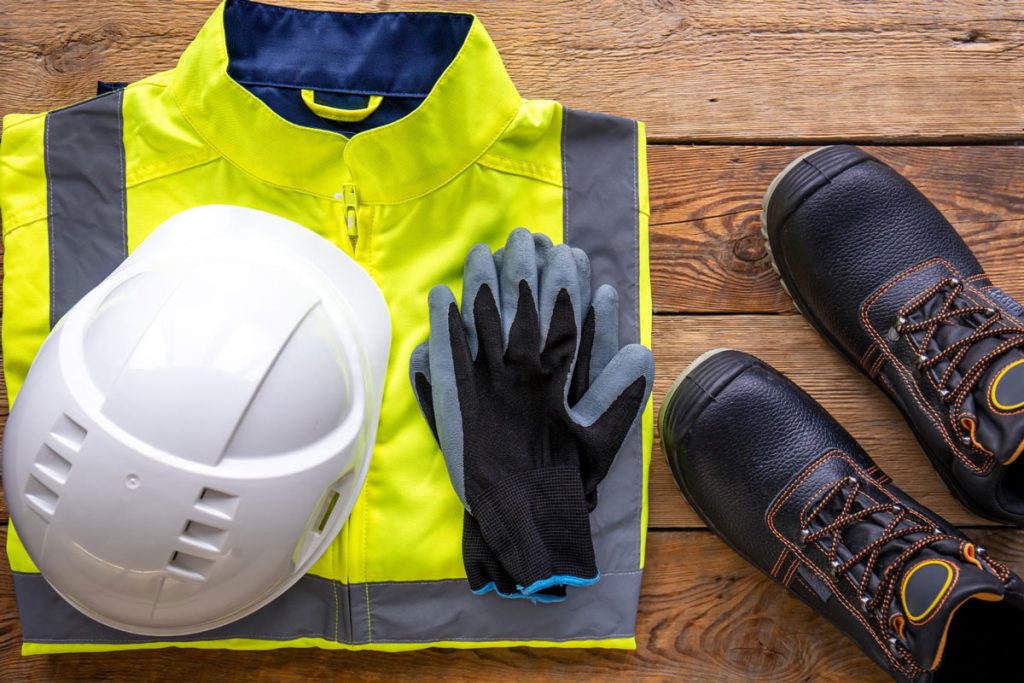
Head protection is crucial in environments where there is a risk of falling objects or impacts. This category includes helmets and hard hats designed to protect the head from injuries.
Eye and Face Protection
Eye and face protection, such as safety glasses, goggles, and face shields, are essential for preventing injuries from flying debris, chemicals, or intense light.
Hearing Protection
Hearing protection includes earplugs and earmuffs designed to safeguard against hearing loss caused by excessive noise levels in the workplace.
Respiratory Protection
Respiratory protection, such as dust masks and respirators, is crucial for safeguarding workers from inhaling harmful particles or gases.
Hand Protection
Hand protection involves gloves designed for various tasks, including cut-resistant gloves for handling sharp objects and insulated gloves for electrical work.
Foot Protection
Foot protection, including safety boots and steel-toe boots, helps prevent injuries from falling objects, sharp items, and other potential hazards on the ground.
Body Protection
Body protection includes work suits and high-visibility clothing that safeguard against environmental hazards and improve visibility in low-light conditions.
Factors to Consider When Selecting PPE
Risk Assessment
Identifying Hazards
Before selecting PPE, it’s essential to conduct a thorough risk assessment to identify potential hazards in the workplace. This includes evaluating physical, chemical, biological, and ergonomic risks.
Determining Risk Levels
Once hazards are identified, determine the risk levels to select appropriate PPE that effectively mitigates these risks. Higher risk levels may require more specialized or robust protective equipment.
Comfort and Fit
Importance of Proper Fit
Proper fit is crucial for the effectiveness of PPE. Ill-fitting equipment can reduce protection and may even cause discomfort, leading to non-compliance.
Adjustable Features
Choose PPE with adjustable features to ensure a snug and comfortable fit for different body types and sizes.
Compliance and Standards
Local and International Standards
Ensure that the PPE meets local and international safety standards. Compliance with these standards ensures that the equipment is tested and proven to offer the required level of protection.
Certification Requirements
Look for PPE that is certified by recognized organizations to guarantee its quality and reliability.
Types of PPE and Their Applications
Head Protection
Helmets and Hard Hats
Helmets and hard hats protect against impacts, falls, and flying debris. They should be worn in areas where head injuries are a potential risk.
Face Shields
Face shields provide additional protection for the face and are often used in conjunction with helmets for enhanced safety.
Eye and Face Protection
Safety Glasses
Safety glasses protect against flying debris and chemical splashes. They should be worn in environments where such hazards are present.
Goggles
Goggles offer a snug fit around the eyes and provide a higher level of protection against liquids and particles.
Face Shields
Face shields offer full-face protection and are ideal for tasks that involve intense heat or chemical splashes.
Hearing Protection
Earplugs
Earplugs are inserted into the ear canal to reduce noise exposure and are suitable for environments with high noise levels.
Earmuffs
Earmuffs cover the entire ear and are effective in blocking out harmful noise levels. They are often used in combination with earplugs for maximum protection.
Respiratory Protection
Dust Masks
Dust masks protect against inhalation of dust and particulate matter. They are suitable for low-level dust exposure.
Respirators
Respirators provide protection against gases, vapors, and airborne contaminants. They are essential in environments with more significant respiratory hazards.
Hand Protection
Gloves for Different Tasks
Different tasks require different types of gloves. For example, cut-resistant gloves are used for handling sharp objects, while heat-resistant gloves are used for handling hot materials.
Cut-Resistant Gloves
Cut-resistant gloves protect against cuts and abrasions, making them ideal for tasks involving sharp tools or materials.
Foot Protection
Safety Boots
Safety boots protect against injuries from falling objects and sharp items on the ground. They should be worn in environments where foot injuries are a risk.
Steel-Toe Boots
Steel-toe boots provide additional protection for the toes and are essential in environments with heavy machinery or potential falling objects.
Body Protection
Work Suits
Work suits provide full-body protection against various hazards, including chemicals and extreme temperatures.
High-Visibility Clothing
High-visibility clothing improves visibility in low-light conditions, making it essential for work areas with poor lighting or high traffic.
Best Practices for PPE Use
Training and Education
Proper Use and Maintenance
Provide thorough training on the proper use and maintenance of PPE. Ensure that employees understand how to wear, use, and care for their equipment correctly.
Regular Training Sessions
Conduct regular training sessions to keep employees updated on the latest PPE guidelines and best practices.
Inspection and Maintenance
Routine Checks
Implement routine checks to inspect PPE for damage or wear. Regular inspections ensure that equipment remains in good condition and provides adequate protection.
Replacing Worn-Out PPE
Replace worn-out or damaged PPE promptly to maintain safety standards. Equipment that shows signs of wear or damage should be discarded and replaced.
PPE Storage
Proper Storage Conditions
Store PPE in clean, dry conditions to prevent contamination and damage. Ensure that storage areas are free from environmental hazards that could compromise the equipment.
Avoiding Contamination
Avoid placing PPE in areas where it could be exposed to contaminants. Proper storage helps maintain the effectiveness of the equipment.
Challenges in PPE Selection
Cost vs. Quality
Balancing cost and quality can be challenging. While it is essential to stay within budget, compromising on quality can lead to inadequate protection.
Employee Resistance
Employees may resist wearing PPE if it is uncomfortable or if they do not understand its importance. Address resistance through education and by selecting high-quality, comfortable equipment.
Maintaining Compliance
Ensure ongoing compliance with safety regulations and standards to avoid legal and safety issues.
Case Studies and Examples
Successful PPE Implementation in Various Industries
Explore examples of successful PPE implementation in different industries. These case studies can provide valuable insights into effective practices and solutions.
Lessons Learned from PPE Failures
Analyze lessons learned from PPE failures to understand what went wrong and how to prevent similar issues in the future.
Conclusion
Selecting the right PPE for your team is crucial for maintaining a safe and compliant workplace. By understanding the different types of PPE, considering factors such as risk assessment, comfort, and compliance, and following best practices for use and maintenance, you can ensure that your team is well-protected against workplace hazards. Prioritizing safety not only protects your employees but also enhances productivity and morale. Remember, investing in high-quality PPE is an investment in your team’s health and well-being.
FAQs
1. What factors should I consider when choosing PPE for my team? When choosing PPE, consider the specific hazards present in your workplace, the risk levels associated with those hazards, the comfort and fit of the PPE, and compliance with local and international safety standards. Conduct a thorough risk assessment to identify potential hazards and determine the appropriate level of protection needed.
2. How often should PPE be inspected and replaced? PPE should be inspected regularly to ensure it remains in good condition and provides adequate protection. The frequency of inspections can vary depending on the type of PPE and the working conditions. For example, gloves and respirators may need daily checks, while other equipment like helmets may be inspected weekly. Replace any PPE that shows signs of wear, damage, or degradation immediately.
3. Are there specific PPE standards I need to follow? Yes, there are specific PPE standards that must be followed to ensure the equipment provides the required level of protection. These standards can vary by country and industry. In Tanzania, for example, the Occupational Safety and Health Authority (OSHA) provides guidelines and standards for PPE. Internationally, organizations like the International Organization for Standardization (ISO) and the American National Standards Institute (ANSI) set standards for PPE.
4. What should I do if my team is resistant to wearing PPE? If your team is resistant to wearing PPE, it is essential to address their concerns and educate them on the importance of PPE for their safety. Ensure that the PPE is comfortable and fits properly, as discomfort can be a significant barrier to compliance. Provide regular training sessions to reinforce the importance of PPE and demonstrate how to use it correctly. Encouraging a safety-first culture can also help reduce resistance.
5. How can I ensure my PPE choices are cost-effective without compromising quality? To ensure cost-effective PPE choices without compromising quality, conduct a thorough market research to compare different brands and suppliers. Look for PPE that meets safety standards and offers the necessary protection for your specific workplace hazards. Buying in bulk can also reduce costs. Prioritize high-quality, durable PPE that may have a higher upfront cost but will save money in the long run by reducing replacement frequency.
By following these guidelines and considering the specific needs of your team, you can select the right PPE to ensure a safe and compliant working environment. Prioritizing safety through proper PPE selection and use not only protects your employees but also contributes to a more productive and positive workplace.
Categories
Tags
Analysis
Assessment
Assessments
Automation
Calibration
Electrical
Engineering
Environmental
Equipment
Fire
Guide
Hydraulic
Impact
Industrial
Innovations
Installation
Issue
Lifting
Machine
Machinem
Machinery
Maintenance
Maximizing
Mechanical
Motor
Motors
Operations
Planning
Plumbing
PPE
Programs
Project
Pump
Safety
Social
Solutions
Studies
Systems
Techniques
Technology
Testing
Training
Troubleshooting
Welding
Social
Related articles