Introduction
Welding is a fundamental process in numerous industries, from construction and automotive to aerospace and manufacturing. Understanding the various welding techniques and choosing the right one for your project can make a significant difference in the quality and durability of the final product. Zong Engineering Company Ltd, based in Dar es Salaam, Tanzania, specializes in welding and fabrications, offering expert services for projects of all sizes.
Understanding Welding
What is Welding?
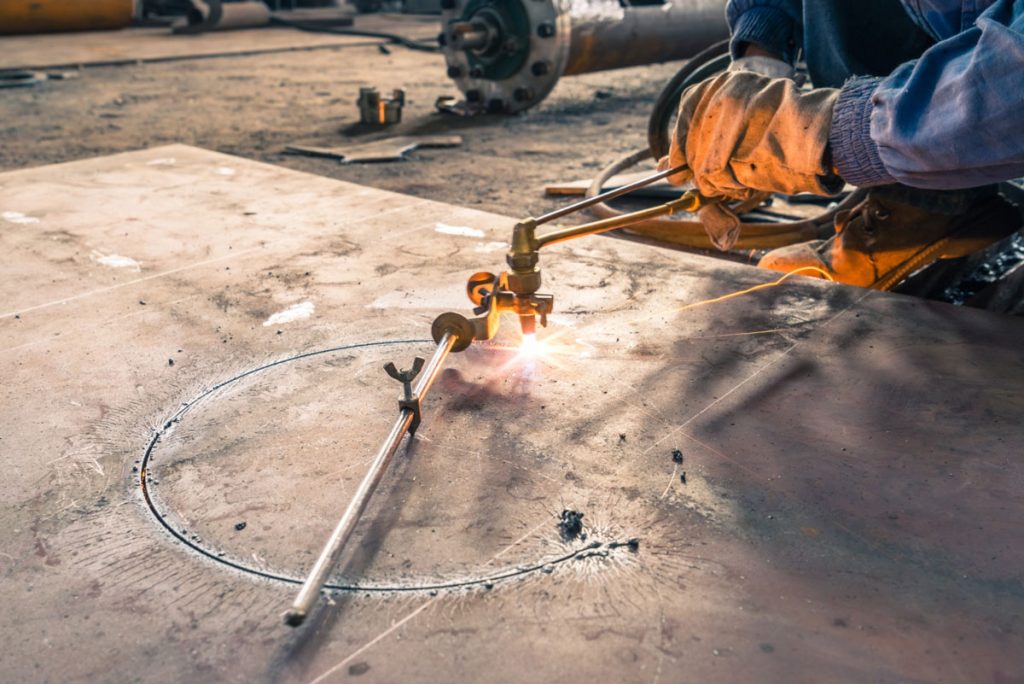
Welding is a fabrication process that joins materials, typically metals or thermoplastics, by causing coalescence. This is usually done by melting the workpieces and adding a filler material to form a strong joint upon cooling.
The Science Behind Welding
The welding process involves intense heat to melt the base materials, which then fuse together as they cool, creating a strong and durable bond. The type of heat source, filler material, and welding technique can vary depending on the materials and requirements of the project.
Types of Welding Techniques
Shielded Metal Arc Welding (SMAW)
Process Overview
SMAW, also known as stick welding, uses an electrode coated in flux to lay the weld. An electric current passes through the electrode, creating an arc that melts the electrode and base material.
Advantages and Disadvantages
SMAW is versatile and straightforward, but it produces slag and requires frequent electrode replacement.
Best Applications
Ideal for heavy metal structures, construction, and repair work.
Gas Metal Arc Welding (GMAW/MIG)
Process Overview
GMAW, or MIG welding, uses a continuous wire feed as an electrode and shielding gas to protect the weld from contaminants.
Advantages and Disadvantages
MIG welding is efficient and produces clean welds, but it requires a shielding gas supply and is less effective outdoors.
Best Applications
Commonly used in automotive, manufacturing, and home projects.
Gas Tungsten Arc Welding (GTAW/TIG)
Process Overview
GTAW, or TIG welding, uses a non-consumable tungsten electrode and a separate filler material, with an inert gas shield.
Advantages and Disadvantages
TIG welding offers precision and high-quality welds but is slower and requires more skill.
Best Applications
Used for thin materials, stainless steel, and non-ferrous metals.
Flux-Cored Arc Welding (FCAW)
Process Overview
FCAW uses a tubular wire filled with flux, which creates a protective shield as it melts, eliminating the need for external shielding gas.
Advantages and Disadvantages
FCAW is effective for thicker materials and works well outdoors but produces slag that must be removed.
Best Applications
Ideal for heavy equipment repair, shipbuilding, and construction.
Submerged Arc Welding (SAW)
Process Overview
SAW involves a continuously fed consumable electrode and a blanket of granular flux, which covers the weld area.
Advantages and Disadvantages
SAW offers deep penetration and high-quality welds with minimal spatter, but it is limited to horizontal or flat positions.
Best Applications
Used for large, heavy-duty projects like pressure vessels and pipelines.
Choosing the Right Welding Technique for Your Project
Factors to Consider
Selecting the right welding technique depends on various factors, including the material type, project scale, and environmental conditions.
Material Types
Different materials require specific welding techniques. For instance, aluminum is best welded using TIG, while steel can be welded using various methods.
Project Scale and Complexity
Larger projects may benefit from automated welding techniques, while smaller, intricate jobs may require manual welding for precision.
Safety in Welding
Importance of Safety Measures
Welding involves high temperatures and hazardous fumes, making safety a top priority. Proper training and safety protocols are essential.
Personal Protective Equipment (PPE)
Welders should wear PPE, including helmets, gloves, aprons, and safety glasses, to protect against burns, radiation, and inhalation of toxic fumes.
Common Hazards and How to Avoid Them
Common hazards include electrical shocks, burns, and exposure to harmful fumes. Proper grounding, ventilation, and protective gear can mitigate these risks.
Welding in Different Industries
Construction
Welding is critical in constructing buildings, bridges, and infrastructure, providing strong and durable joints.
Automotive
In the automotive industry, welding ensures the structural integrity of vehicle frames and components.
Aerospace
Precision welding techniques are used in aerospace to fabricate lightweight yet strong components.
Manufacturing
Welding is integral in manufacturing processes, from small appliances to large machinery.
Energy Sector
The energy sector relies on welding for constructing pipelines, refineries, and power plants.
Welding Innovations and Future Trends
Automation in Welding
Automation is revolutionizing welding, with robotic welders increasing efficiency and consistency in large-scale projects.
Advancements in Welding Materials
New materials and alloys are being developed to enhance weld strength and durability.
The Role of AI in Welding
AI is being integrated into welding processes for better control, quality assurance, and predictive maintenance.
Case Studies from Zong Engineering
Success Stories and Projects
Zong Engineering has successfully completed numerous projects, showcasing their expertise in welding and fabrications. Clients have praised the quality, efficiency, and professionalism of their services.
Client Testimonials
Satisfied clients highlight the reliability and excellence of Zong Engineering’s welding services, emphasizing their commitment to meeting project deadlines and maintaining high standards.
Training and Certification for Welders
Importance of Proper Training
Proper training ensures welders are skilled and knowledgeable about the latest techniques and safety protocols.
Certification Programs
Certification programs validate a welder’s skills and knowledge, ensuring they meet industry standards.
Continuous Learning and Skill Development
The welding industry is constantly evolving, making continuous learning essential for staying updated with new techniques and technologies.
Conclusion
Welding is a critical process in various industries, requiring the right technique to ensure quality and safety. Zong Engineering Company Ltd is committed to providing expert welding services, backed by a skilled workforce and state-of-the-art facilities.
FAQs
What is the most versatile welding technique?
MIG welding is considered the most versatile due to its ease of use and applicability to various materials.
How do I choose the right welding method for aluminum?
TIG welding is the preferred method for welding aluminum due to its precision and ability to handle thin materials.
What are the common safety gear items needed for welding?
Common safety gear includes helmets, gloves, safety glasses, aprons, and respiratory protection.
Can welding be automated for large-scale projects?
Yes, automation is increasingly used in large-scale projects to improve efficiency and consistency.
What is the future of welding technology?
The future of welding technology includes advancements in automation, AI integration, and the development of new welding materials and techniques.